Introduction
In today's hectic globe, being geared up with the knowledge and abilities to handle emergency situations can make a substantial difference. Whether you are a parent, teacher, train, or just someone that wants to contribute to safety in your neighborhood, enrolling in a first aid course is a superb step. This post will certainly direct you through what to anticipate during your first aid course experience. From recognizing the educational program to the accreditation process, we'll cover everything you need to find out about first aid and mouth-to-mouth resuscitation courses
What to Anticipate from Your Emergency Treatment Course Experience
When attending a first aid course, it's natural to wonder what you'll discover and exactly how it will be presented. Normally, these training courses encompass different topics ranging from standard first aid strategies to innovative life assistance approaches.
1. Recognizing the Program Structure
First help programs differ in structure relying on the company. Nonetheless, most programs include academic lessons complied with by functional sessions. You can anticipate:
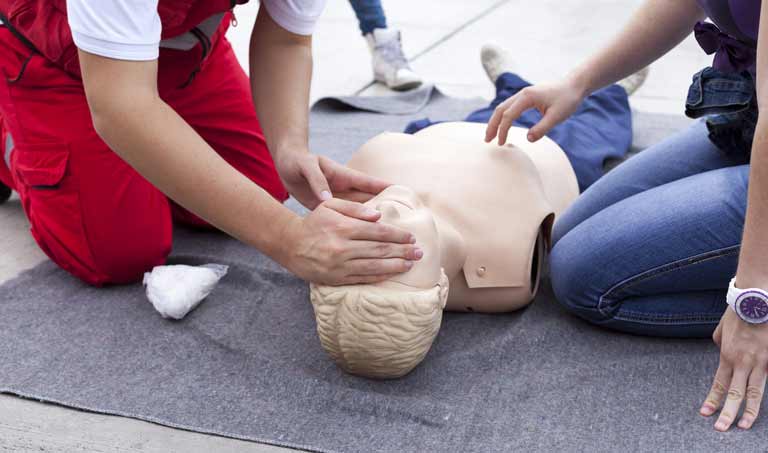
- Interactive Discovering: Engaging talks that permit concerns and discussions. Hands-On Method: Opportunities to exercise techniques like mouth-to-mouth resuscitation on mannequins.
2. Vital Topics Covered
During your first aid course experience, you'll study critical topics such as:
- CPR Strategies: Understanding exactly how to carry out CPR successfully can save lives. First Aid for Choking: Understanding exactly how to aid someone who is choking.
3. Understanding CPR: The Heart of First Aid
One crucial element of your training will certainly involve finding out cardiopulmonary resuscitation (MOUTH-TO-MOUTH RESUSCITATION). This skill is very useful throughout emergencies when every 2nd matters. You'll learn:
- The importance of early defibrillation How to assess a sufferer's responsiveness The steps for adult, child, and baby CPR
4. Certification Process: What You Required to Know
After completing your training, you'll likely get a first aid certificate which verifies your abilities. Here's what you can anticipate:
- Completion of both written and practical exams. Recognition from governing bodies like the Red Cross or St. John Ambulance.
5. Skills You'll Gain Beyond First Aid
Enrolling in a first help and CPR course does not simply furnish you with emergency situation abilities; it likewise fosters self-confidence and recognition in numerous circumstances:
- Improved decision-making under pressure Enhanced interaction skills for taking care of crises
Why Take an Emergency treatment Course?
The advantages of taking an emergency treatment course are numerous. Whether you're taking a look at it totally from a personal growth point of view or considering its expert applications, right here are some compelling reasons.
6. Enhancing Workplace Safety
Many workplaces require employees to have fundamental first aid knowledge. By taking part in these training courses:
- You add positively in the direction of workplace safety. You'll be much better prepared for emergency situations that might emerge on-site.
7. Fostering Area Well-being
Knowing emergency treatment permits you not just to assist friends and family however additionally neighbors and neighborhood members in times of need.
8. Getting ready for Parenthood
For new moms and dads, discovering emergency treatment can supply satisfaction when looking after children.
Common False impressions Concerning Emergency treatment Courses
Despite their importance, there are several false impressions surrounding first aid programs that may deter individuals from enrolling.
9. It's Just for Medical Professionals
Many think that only medical professionals must take these courses; nonetheless, anybody can benefit!
10. It's as well Complicated
First help training is designed for everybody! The techniques instructed are simple with lots of hands-on practice.
The Duration of Emergency treatment Courses: A Breakdown
Another common query concern for how long these programs take.
|Course Kind|Duration|| ------------------|-------------------|| Fundamental Emergency Treatment|6 - 8 hours|| Advanced Courses|12 - 20 hours|| CPR Courses|4 - 6 hours|
This table gives you an idea regarding time commitment relying on the kind of course.
What Should You Bring? Essentials Checklist
When planning hltaid011 First Aid Training for your emergency treatment course experience, consider loading the following things:

Comfortable apparel suitable for physical activity Notepad and pen for taking notes Water bottle
Preparing Emotionally: Preparing for Hands-On Training
Your mindset going into the program is equally as essential as your preparation physically.
11. Welcome the Learning Curve
Don't be afraid if points appear overwhelming in the beginning; remember that method makes perfect!
12. Stay Open-Minded
You might encounter situations that test your presumptions regarding emergency situations.

Frequently Asked Concerns (Frequently asked questions)
FAQ 1: What certifications do I receive at the end of my emergency treatment course?
Most approved courses offer an acknowledged certification upon completion, confirming your abilities in emergency treatment and CPR.
FAQ 2: Are there age constraints for enrolling?
Generally, any person over the age of 12 can register in standard first-aid training courses; nevertheless, consult specific suppliers for age requirements.
FAQ 3: Can I take advanced courses without previous training?
It's a good idea to finish fundamental training before dealing with innovative subjects; this makes certain foundational expertise is solidified.
FAQ 4: Exactly how usually need to I renew my certification?
Typically, it's recommended that you renew your certificate every 2 years; however, certain timing may differ by organization.
FAQ 5: Are online training courses reliable compared to in-person training?
While online courses can use versatility and accessibility to details, they usually lack necessary hands-on technique parts essential for understanding abilities like CPR.
FAQ 6: Will I learn how to use an AED?
Yes! A lot of detailed first-aid courses include education on making use of automatic outside defibrillators (AEDs), which is crucial during heart emergencies.
Conclusion: Encourage Yourself With Knowledge
Completing a first aid course empowers people with important skills that could potentially conserve lives one day-- be it at home or within the area setting! With correct knowledge comes self-confidence; this confidence First Aid Courses Near Me assists cultivate safer atmospheres wherever we go!
By now, you've gathered understandings on what to expect from your first-aid program experience As you start this trip towards coming to be accredited in life-saving strategies like mouth-to-mouth resuscitation or basic first-aid techniques-- embrace every moment! Doing something about it today might mean making all the difference tomorrow when it counts most!